Nature-based solutions projects – a contribution to ESG
What are nature-based solutions?
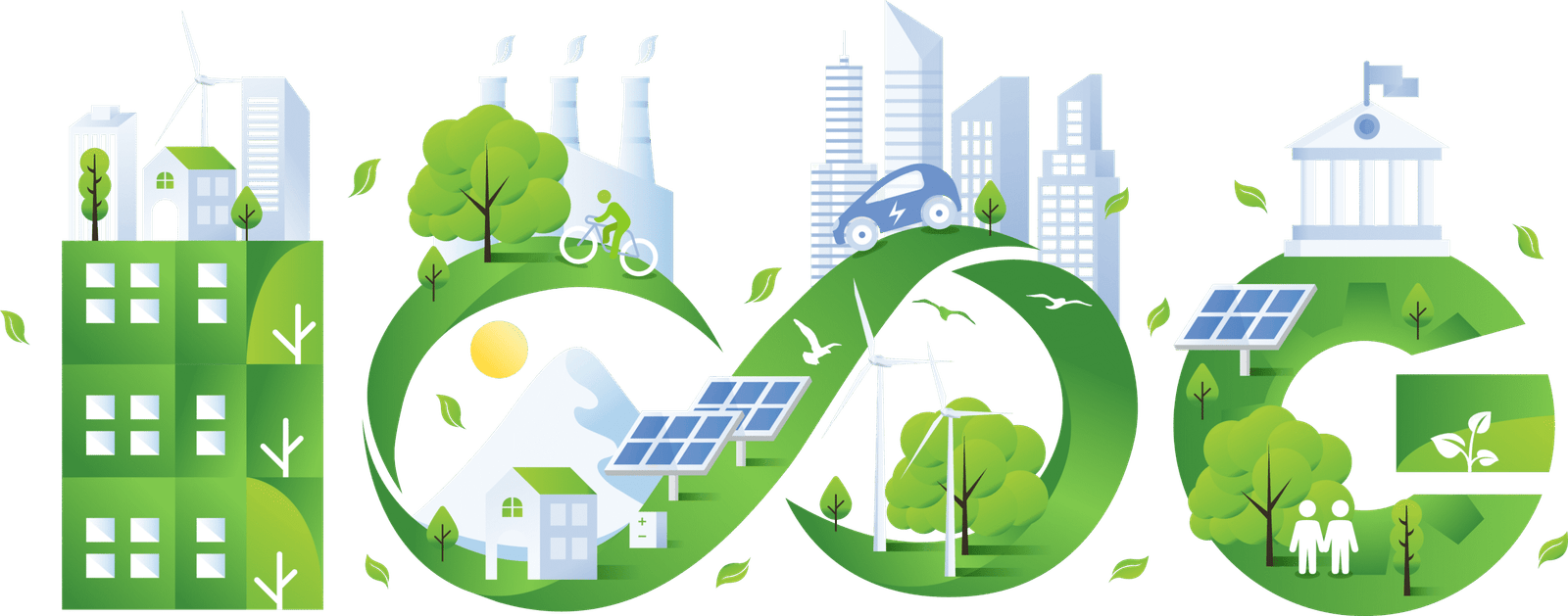
Nature-based solutions, as described by the International Union for Conservation of Nature, confront societal challenges by protecting, managing, and restoring natural and modified ecosystems. This sets out to not only benefit the natural environment, but human society as a whole by meeting challenges facing the global community, such as natural disasters and climate change, food and water security, and the need for more sustainable models of economic and social development.
Two EU-supported examples
Two examples of such projects are the VARCITIES (Visionary Nature based Actions for Health, Wellbeing & Resilience in Cities), which ended in September last year, and JUSTNature (Activation of NATURE-based solutions for a JUST low carbon transition) which will end in February this year.
VARCITIES set out to implement nature-based solutions to enhance the health and well-being of urban dwellers. It involved a series of pilot cities covering a range of climatic conditions across Europe, from Chania (Greece) and Gzira (Malta) in the Mediterranean, Novo Mesto (Slovenia) in the east, to Dundalk (Ireland) in the west, Leuven (Belgium), and Skellefteå (Sweden) in the north.
Each area has its own challenges, such as dealing with increasingly hot summers, restoring natural ecosystems, or enhancing lifestyle facilities (sport, culture) for the wider community. There is also the question of how these actions can be supported economically, whether through savings arising from healthier environments or more attractive conditions for business development.
JUSTNature is also concerned with the implementation of nature-based solutions in urban areas, with the fundamental premise being that all citizens have a right to ecological space, and that healthy green environments should not be the preserve only of higher-income neighbourhoods.
It sets out to address major challenges such as how the impacts of climate and environmental change are not evenly distributed, how income and inequality lead to disparities in urban environments, the presence of dispersed and isolated areas of great biodiversity within urban areas, and how differences arise (social and environmental) from urban transformation. Like VARCITIES, it employs test cases, some of which, like Chania and Gzira, are common with VARCITIES.
Looking ahead
These projects, and many like them, all have the goal of creating a more sustainable and healthier environment, not only for cities, but society as a whole. And such goals are again just another aspect that the ESG work of our institute is undertaking, which will lead to a greener, healthier, and more sustainable future.

Adresse
ISG – Privatinstitut für Nachhaltigkeits- und Impact-Strategien GmbH
Wilhelmsaue 11
10715 Berlin
Telefon